


HOW WE CAN ALL DO BETTER FOR THE PLANET

I generally try not to- as my mother puts it- stand on my ‘soapbox’ too often. I think she, like most people, is still trying to figure out where my sudden and intense concern for the world has come from. Perhaps it’s the return of Blue Planet, or a surge in Facebook videos of plastic-wrapped turtles and beaches full of waste that’s done it- but either way it’s something I’m extremely passionate about.
On many occasions I’ve been so totally overwhelmed by how screwed the state of things seems to be that I haven’t really known where to start. When feeling helpless it’s incredibly easy to lapse into behaviour that makes things worse rather than better in the belief that there’s nothing to be done- and though it's true that the majority of change needs to come from those in power, in order to move out of this stage of despair we first have to take responsibility for our own choices. In the western world we have become so used to our lifestyle that we no longer notice the rate at which we over-consume; so with that in mind I’ve compiled a list (which is by no means exhaustive) of simple swaps we can all make in order to do better for the planet.
FASHION
Shop in charity shops or vintage stores. Where possible, try not to buy anything brand new at all. I made it my 2018 resolution to not buy anything first hand, partly because it stops me from impulse buying, but also because the benefits of shopping second hand (with the exception of underwear) are threefold.
It can be more cost effective. As long as you’re willing to hunt around a bit you can find clothes with designer labels in plenty of charity shops for ridiculously low prices. Quite often people donate stuff that’s barely been used.
It means you are not directly supporting the exploitation of foreign workers. In the UK, Primark is a popular high street brand because of its cheap prices- but the thing that gives it appeal is the same thing that condemns millions of people to a life of tough labour and poverty. The same applies for other well-known shops like H&M and Zara, which have both been known to produce their items in sweatshops abroad (and for this reason I still try to stay away from their clothes, even in charity shops.)
Buying second hand greatly reduces the impact of ‘fast fashion’- a cycle of short term product use that greatly harms the environment. On the high street new lines are released, old ones are forgotten about, and two million tonnes of clothing ends up in landfill every year (as reported by the BBC in 2009.) Recycling clothes that have already been made helps to lessen the demand for new textiles, also lowering the emissions the fashion industry produces.

Clothing has the fourth largest environmental impact after housing, transport and food.
KITCHEN

Bring your own lunches to work/school/university/have them on the go. Invest in some Tupperware and use it for snacks, meals and soups. Alternatively, you can re-purpose old takeaway tubs and ice cream pots. Not only will you save money, but you will also reduce the amount of food packaging that goes to landfill.
If you’re a coffee or tea drinker, buy a reusable cup. This allows you to make your own takeaway drinks at home and also means that less disposable cups go to waste (only 1% are recycled.) Some places will even give you money off for using your own mug.

Stop using cling film and tin foil. The latter can be recycled, but there is no way to re-purpose cling film, so it ends up being incinerated. If you have food leftovers or need to store something in the fridge, whack a plate over the top of the dish. If you need to transport food use tubs. And, if you really can’t resist, invest in some beeswax wrap, which is biodegradable and reusable.
Get yourself a reusable water bottle. Again, they’re really not very expensive. Metal is preferable to plastic as it is easier to eventually recycle, but having either will prevent more single use bottles ending up in landfill. It can be especially tough to give up if you like flavoured or fizzy drinks, but both Pepsi and Coke have glass bottle alternatives, and canned drinks are recyclable. Small beverage businesses also tend to use glass, so support your local economy and help the planet at the same time by buying their products.
Swap single use plastic straws for paper, metal or silicone. People always complain that paper straws disintegrate (I'm looking at you, Seren) but they are a much better alternative, and you can go through as many as you like. Some metal and silicone straws can even be folded for easy transport and are small enough to fit in any bag. This is particularly worthwhile when bars or restaurants have no substitutes.
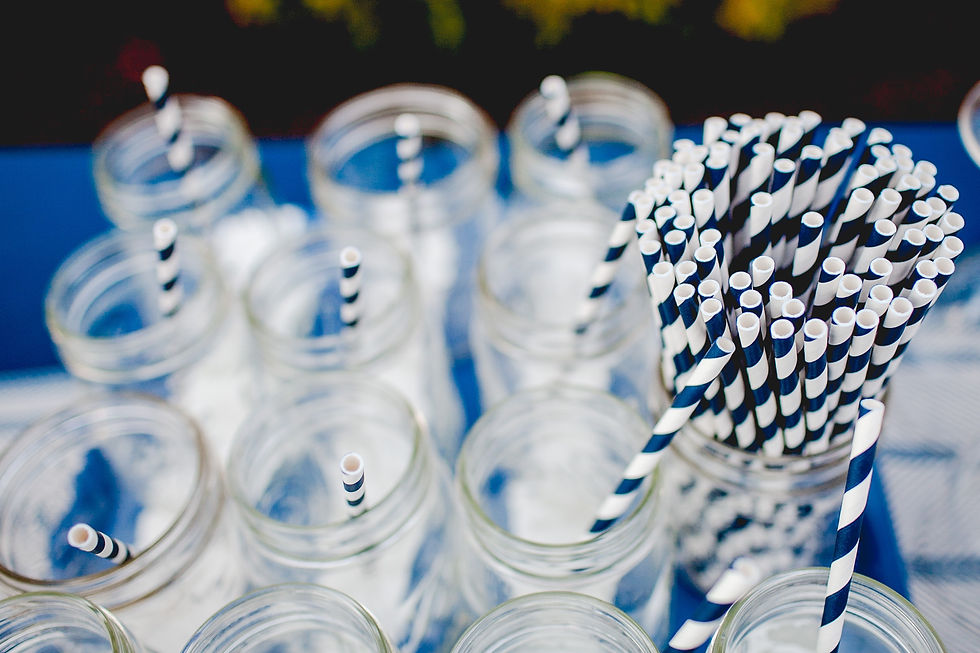
It takes up to 200 years for a plastic straw to degrade naturally. That means every single plastic straw you have ever used will still be on the planet when you die!
BATHROOM
Use sustainable period products. Menstrual cups, cloth pads and period pants are all viable alternatives, and though they may sound intimidating they’re far better for both you and the environment than disposables. A single menstrual cup can last up to ten years (and it can't give you toxic shock syndrome!)
Swap shampoo bottles for soap bars. They are seldom packaged in plastic and tend to have more natural ingredients in them.
Buy a metal safety razor rather than a pack of plastic disposable ones. They are more expensive but rarely need replacing, so are a better long-term investment.
Buy sustainable, recyclable toothbrushes (like those made of bamboo.) Some I found online cost as little as £2.50 and are completely biodegradable.

Toothbrushes are made of a combination of harmful materials like rubber and nylon, which release toxic gases when burnt, and take hundreds of years to decompose.
CHOICES

Walk distances that you would usually drive or take public transport for (within reason - nobody’s expecting you to walk 5 miles to work!) Cycling and car sharing are also good options.
Reuse old plastic bags for shopping, or, even better, take canvas bags. This works in two dimensions, as it means that you can buy loose fruit and veg instead of the prepackaged stuff, and you don't have to buy and use another plastic bag.
Try to reduce your meat and dairy intake. This has a plethora of benefits, from reducing land and water usage to preventing animal suffering. If you're not willing to change your diet, aim to source products locally rather than supporting industrial farming.
Be conscious of what you throw away- consider whether you can reuse an item first. Put recyclable things in the recycling instead of the bin just because it's easier. Catch yourself when you’re being lazy and embrace the inconvenience.
Be really careful with your palm oil consumption. It's one of the most destructive industries in the world and yet palm oil is found in over half of all supermarket items. Rather than seeking to avoid it entirely (replacement oils are much less efficient to grow), look for products that are labelled with a sustainable palm oil certificate.

Palm oil plantations don't just wipe out forests- they affect human and animal settlements and drastically reduce biodiversity.
ACTION
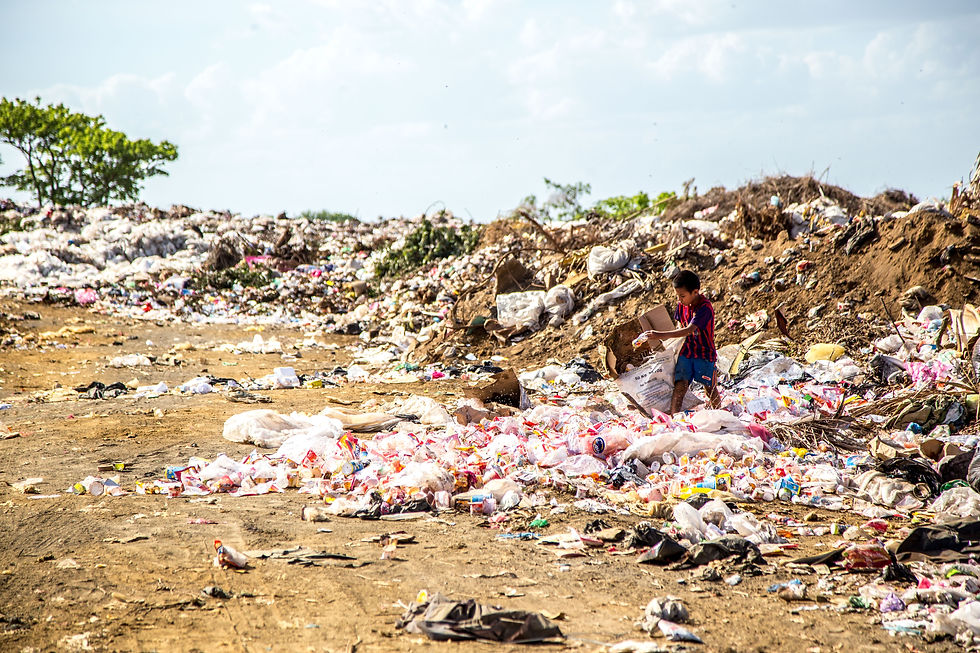
Petition supermarkets to reduce the amount of plastic packaging they use and support those that actively try to do so.
Know that as a consumer you hold the power. If big companies are determined to keep damaging the environment for the sake of short term profit, let them know that you're not happy about it. Boycott their products, sign petitions and join public rallies, and support the companies that are actively trying to do something about their footprint instead.
If you live on the coast, get involved with your local beach clean. Surfers Against Sewage have a map of beach cleans happening throughout the UK on their website https://www.sas.org.uk/our-work/beach-cleans/
If you don't have food waste collection where you live start a compost heap in your garden.
Lobby for more types of plastic to be accepted by kerbside recycling. It is possible to recycle difficult items like packaging, but because so few places collect it most of the time it ends up in the bin, especially if you don't have access to a household waste recycling centre. This is an issue that needs to be raised with local councils.
CONCLUSION
With the release of the UN's IPCC (Intergovernmental Panel on Climate Change) report three days ago, it’s clearer now than ever that we’re sliding towards environmental disaster. They've given us just 12 years to sort ourselves out before we're in serious trouble. It's a real wake up call to the human race, obsessed as we are with starting wars and digesting celebrity news and whatever else we prioritise instead of the planet. It's important to realise that we have the power to change the direction we're heading in, as long as we are willing to compromise and adapt our behaviour. Do what you can to help!
Some extra links:
An article following Stacey Dooley's documentary on the environmental impact of fashion, https://www.huffingtonpost.co.uk/entry/fashions-dirty-secrets-stacey-dooley-lessons-learned_uk_5bbb4995e4b0876eda9fea67
A 2009 BBC article discussing the problem of fast fashion, http://news.bbc.co.uk/1/hi/uk/7899327.stm
Some more information on the problem of palm oil, https://www.rainforest-rescue.org/topics/palm-oil
Comments